02 Aug 2026
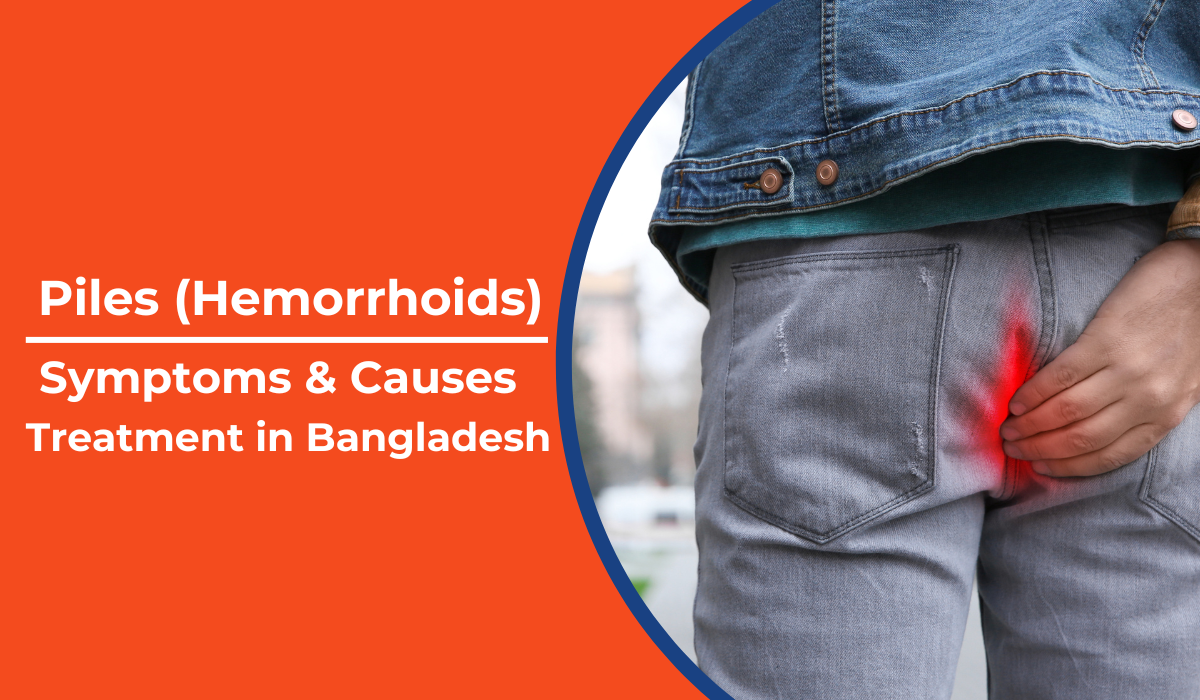
Piles (পাইলস): Symptoms, Treatment, Cost, Best Doctors, and Hospitals in Bangladesh
The truth is simple. Piles is a normal medical condition that affects millions of people. In almost every case, it can be treated successfully. There is nothing shameful about it, and skilled help is widely available across the country.
This guide is written for Bangladeshi patients and their families. It explains what piles are, why they happen, how doctors diagnose them, and every treatment option from home care to laser surgery. It also answers the questions patients search for most: what treatment works best, which hospital to choose, which doctor to see, and what it all costs in taka.
What Are Piles (Hemorrhoids)?
Piles, also called hemorrhoids (in Bengali, অর্শ or গেজ রোগ), are swollen and enlarged blood vessels inside or around the anus and lower rectum. Everyone is born with small cushions of tissue in this area. These cushions become piles when they swell, stretch, or slip down.
The most common sign is bright red bleeding during or after passing stool, usually without much pain. Other signs include itching, a soft lump near the opening, mucus discharge, and a feeling that the bowel has not fully emptied. External piles can turn painful if a clot forms.
How Do Piles Develop?
Piles develop slowly, often over months or years. The blood vessels in the anal area are held in place by soft connective tissue. Repeated straining pushes extra blood into these vessels and stretches the tissue that supports them. Over time, that support weakens.
As the process continues, internal piles may slip down through the anus, and external ones may form as lumps under the skin. Once the supporting tissue is damaged, piles rarely disappear fully on their own. This is why early care matters so much.
Normal Anal Cushions vs. Piles
Many people are surprised to learn that everyone has anal cushions and that they serve a useful purpose. Piles are not a foreign growth. They are the same normal tissue, only swollen and symptomatic.
| Feature | Normal Anal Cushions | Piles (Hemorrhoids) |
| Presence | Present in everyone from birth | Swollen version of the same tissue |
| Size | Small and soft | Swollen, stretched, or bulging |
| Position | Stay inside the anal canal | May slip down or bulge outward |
| Symptoms | No bleeding, pain, or itching | Bleeding, itching, lump, discomfort |
| Function | Help control stool and gas | Function may be disturbed |
In short, piles are simply anal cushions that have become swollen and symptomatic. This is reassuring, because treatment aims to shrink and settle the tissue, not remove something dangerous. When treated early, the cushions can often return to a comfortable state.
How Common Are Piles in Bangladesh?
Piles is extremely common worldwide, and Bangladesh is no exception. Studies suggest a large share of adults have hemorrhoids, even without symptoms. In one well-known screening study, almost 39 percent of adults examined had hemorrhoids, and more than half had no complaints at all.
The risk rises sharply with age. By the age of 50, roughly half of all adults have had piles at some point. In Bangladesh, low-fiber diets, low water intake, long hours of sitting, and the habit of delaying the toilet push these numbers even higher.
Because of social stigma, the real number of affected people is likely higher than clinic visits suggest. Many patients try home remedies first and only see a doctor when the problem becomes severe. Greater awareness is slowly changing this, and more people now treat piles as a normal medical condition.
What Causes Piles?
Piles develop when the anal veins and their supporting tissue come under repeated or prolonged pressure. Several everyday habits and health conditions raise this pressure. Most patients have more than one cause working together. The main causes include:
- Chronic constipation and straining. Hard stool and pushing hard on the toilet are the leading causes, putting direct pressure on the anal veins.
- Low-fiber diet. Diets low in vegetables, fruits, and whole grains lead to hard stool and difficult bowel movements.
- Not drinking enough water. Low fluid intake makes stool dry and hard, increasing straining.
- Long hours of sitting. Sitting for long periods, including long toilet sessions with a phone, keeps the anal veins under load.
- Pregnancy. The growing baby presses on pelvic veins, and hormonal changes relax and swell the vessels.
- Obesity and excess weight. Extra body weight increases pressure in the lower abdomen and pelvis.
- Heavy lifting. Lifting heavy loads often raises abdominal pressure and strains the anal region.
- Aging. The tissue that supports the anal cushions naturally weakens with age.
In most Bangladeshi patients, the mix of a low-fiber diet, low water intake, and long toilet habits is the main culprit. Nearly all of these causes can be improved with simple daily changes, which is why lifestyle correction is always the first step.
Who Is Most at Risk of Developing Piles?
- People with long-term constipation, since repeated straining is the single biggest trigger
- Pregnant women, especially in the later months and shortly after delivery
- Adults over 45 to 50, as the supporting tissue weakens with age
- Desk workers and drivers, who sit for many hours with little movement
- Young adults on fast food diets, a fast-growing group in Dhaka and other cities
- People with a family history of piles, excess weight, or jobs involving heavy lifting
What Are the Different Types and Grades of Piles?
Piles are grouped by where they form and how they behave. Knowing the type matters, because it directly decides which treatment is suitable. Doctors classify piles as internal, external, mixed, or thrombosed, and internal piles are further divided into four grades.
1. Internal Piles
Internal piles form inside the rectum, above a line called the dentate line, where there are few pain nerves. This is why internal piles are often painless even when they bleed. The most common early sign is bright red blood on the stool, on toilet paper, or in the bowl. Doctors grade them from I to IV.
| Grade | Description | Common Symptoms |
| Grade I | Small piles that stay inside the canal and do not prolapse | Painless bleeding, often the only sign |
| Grade II | Piles that slip down during a bowel movement but return on their own | Bleeding, mild discomfort, a brief bulge |
| Grade III | Piles that prolapse and must be pushed back by hand | Bleeding, lump, itching, discomfort |
| Grade IV | Piles that stay prolapsed and cannot be pushed back | Constant lump, pain, mucus, higher risk |
2. External Piles
3. Mixed Piles
4. Thrombosed External Piles
What Are the Signs and Symptoms of Piles?
| Symptom | What It Feels Like | Usually Linked To |
| Bright red bleeding | Blood on stool, toilet paper, or in the bowl | Internal piles, often painless |
| Anal itching | Persistent irritation around the anus | Mucus discharge, external piles |
| Lump near the anus | A soft or firm swelling that can be felt | External or prolapsed piles |
| Pain or discomfort | Soreness while sitting or passing stool | External or thrombosed piles |
| Mucus discharge | A wet, sticky feeling around the anus | Prolapsing internal piles |
| Incomplete emptying | Feeling that the bowel is not fully empty | Larger or prolapsed pile |
Are Piles Dangerous?
- Anemia. Ongoing bleeding, even in small amounts, can slowly lower iron levels and leave a person tired, weak, and pale.
- Strangulation. A large prolapsed pile can get trapped outside the anus and lose its blood supply, which is painful and needs urgent care.
- Thrombosis. A clot inside an external pile causes sudden, severe pain and a hard bluish lump.
- Infection or an ulcer on the surface of a long-standing prolapsed pile.
Can Piles Turn Into Cancer?
| Feature | Piles (অর্শ) | Anal Fissure | Anal Fistula |
| Main problem | Swollen anal blood vessels | A tear in the anal lining | A tunnel from the anal canal to the skin |
| Typical pain | Mild or none, unless clotted | Sharp, burning, worst during stool | Dull ache with swelling |
| Bleeding | Bright red, often painless | Bright red streaks with pain | Usually little or no bleeding |
| Discharge | Mucus in prolapsed cases | Rare | Pus or foul discharge is typical |
| Usual first treatment | Fiber, water, ointment, banding | Fiber, ointment, sitz bath | Almost always needs surgery |
- Perianal abscess. A painful collection of pus near the anus, usually with swelling, redness, and fever.
- Rectal prolapse. Part of the rectum slips out through the anus and can look like a very large pile.
- Skin tags. Harmless flaps of skin left behind after piles or a healed fissure.
- Colorectal polyps or cancer. Growths in the colon or rectum that can bleed and change bowel habits.
When Should You See a Doctor for Piles?
- Any rectal bleeding, even a small amount, especially if it is new
- Bleeding that is dark, mixed into the stool, or heavy
- A lump near the anus that is painful, hard, or growing
- Pain that does not improve with home care after a few days
- Symptoms that keep coming back despite lifestyle changes
- A change in bowel habits, such as new constipation or diarrhea
- Unexplained weight loss or constant tiredness alongside bleeding
How Are Piles Diagnosed?
| Method | What It Involves | Why It Is Done |
| Medical History | A talk about bleeding, pain, itching, lumps, diet, toilet habits, and family history | Points toward the likely type and grade, and flags warning signs like weight loss |
| Physical Examination | The doctor visually checks the anal area for external piles, swelling, or skin tags | Reveals visible piles and, on bearing down, helps grade prolapsing internal piles |
| Digital Rectal Examination (DRE) | A gloved, lubricated finger gently feels inside the anus | Checks muscle tone and detects lumps or abnormal masses that need further study |
| Endoscopy | A short instrument looks directly inside the anal canal | Confirms internal piles that cannot be seen or felt from outside and judges their grade |
| Proctoscopy | A slightly longer instrument examines the anal canal and lower rectum | Gives a fuller view to complete the picture of the problem |
| Sigmoidoscopy | A flexible camera examines the rectum and lower colon | Rules out polyps or inflammation when bleeding needs a clearer explanation |
| Colonoscopy | A flexible camera examines the entire large intestine | Rules out colorectal cancer, advised for those over 45–50 or with warning signs |
| Blood Tests | A complete blood count is checked | Detects anemia caused by ongoing blood loss from piles |
| Stool Tests | A fecal occult blood test checks the stool | Finds hidden blood not visible to the eye and other bowel problems |
Can Piles Heal Without Surgery?
How to Treat Piles at Home and Prevent Them Returning
Home Remedies for Symptom Relief
- Warm sitz bath. Sit in a few inches of warm water for 10 to 15 minutes, a few times a day. It eases pain, itching, and swelling and keeps the area clean.
- Ice packs. Wrap a cold pack in a soft cloth and hold it on the area for a few minutes. It numbs the pain and calms swelling. Never put ice straight on the skin.
- Gentle cleaning. Use water and pat dry with a soft cloth instead of rubbing with rough paper, which worsens irritation.
- Loose cotton clothing. Reduces sweating and friction around the area, which helps itching settle.
- Short rest breaks. Standing up and walking for a few minutes each hour takes pressure off the anal veins during a flare-up.
How to Prevent Piles: Daily Habits That Work
- Eat plenty of fiber. Vegetables, fruits, whole grains, and pulses keep stool soft and easy to pass. Add fiber gradually and with water.
- Drink enough water. Several glasses a day, and more in hot weather, prevents the hard, dry stool that leads to straining.
- Never strain. If stool will not come, stand up and try later rather than pushing. Persistent constipation needs a doctor's advice, not force.
- Do not delay the urge. Waiting lets stool harden in the rectum and makes the next attempt harder.
- Keep toilet time short. Leave the phone outside. Long sessions are one of the most common causes of piles in young adults.
- Stay physically active. A daily walk keeps the bowels moving and improves circulation in the pelvis.
- Maintain a healthy weight. Reducing excess weight lowers pressure on the pelvic and anal veins.
- Lift carefully. Avoid regular heavy lifting, and breathe out rather than holding your breath when you must lift.
What Foods Should You Eat and Avoid If You Have Piles?
| Category | Foods to Eat | Foods to Avoid |
| Grains | Brown rice, oats, whole wheat, red rice | White bread, heavy refined flour |
| Vegetables | Leafy greens, okra, carrots, gourd, spinach | Deep-fried vegetables, few vegetables |
| Fruits | Papaya, banana, guava, apple, orange | Excess unripe or binding fruits |
| Protein | Fish, lentils, beans, skinless chicken | Excess red meat, processed meat |
| Fluids | Water, fresh fruit juice, buttermilk | Sugary soft drinks, excess tea and coffee |
| Extras | Isabgol (psyllium husk), yogurt | Very spicy, oily, and fried foods |
Piles Medicine in Bangladesh: What Doctors Commonly Prescribe
Medicine is often the first line of treatment for early piles, and most of these products are widely available in Bangladeshi pharmacies. They do not cure piles permanently, but they control symptoms and support healing while lifestyle changes take effect.| Medicine Type | What It Does | Common Form |
| Fiber supplements | Softens stool and reduces straining, the root problem | Isabgol (psyllium husk) powder |
| Stool softeners and laxatives | Makes bowel movements easier during a flare-up | Syrup, sachet, or tablet |
| Local ointments and creams | Eases pain, itching, and irritation around the anus | Ointment with applicator |
| Suppositories | Delivers medicine directly inside the anal canal | Small inserted capsule |
| Oral flavonoid tablets | Strengthens vein walls and reduces swelling and bleeding | Tablet, taken in short courses |
| Pain relief | Controls discomfort during acute episodes | Tablet, as prescribed |
| Grade or Type | Best First Treatment | Why It Works | Typical Recovery |
| Grade I internal | Fiber, water, ointment, lifestyle change | Reduces straining and lets swollen tissue settle | Improvement in 2–4 weeks |
| Grade II internal | Rubber band ligation or sclerotherapy | Cuts blood supply so the pile shrinks, no cutting | 1–3 days, done as day care |
| Grade III internal | Laser surgery, stapled surgery, or DG-HAL | Treats prolapse with less pain than open surgery | 3–7 days for most patients |
| Grade IV internal | Open or closed hemorrhoidectomy | Removes advanced tissue completely, lowest recurrence | 2–4 weeks |
| Large external piles | Excision, often with laser assistance | Removes painful skin-covered piles at the source | 1–2 weeks |
| Thrombosed piles | Clot removal within the first 72 hours | Gives fast relief from severe, sudden pain | A few days |
| Piles in pregnancy | Conservative care and safe topical treatment | Avoids risk to the baby; many settle after delivery | Varies, often after birth |
What Are the Different Types of Piles Surgery?
2. Open Hemorrhoidectomy
3. Closed Hemorrhoidectomy
4. Stapled Hemorrhoidopexy (MIPH)
5. Laser Piles Surgery
6. DG-HAL and HAL-RAR
Piles Surgery Cost in Bangladesh
| Procedure | Government Hospital (BDT) | Mid-Range Private (BDT) | Premium Private (BDT) |
| Rubber band ligation | 1,000 – 4,000 | 4,000 – 10,000 | 10,000 – 20,000 |
| Sclerotherapy / infrared coagulation | 1,500 – 5,000 | 5,000 – 12,000 | 12,000 – 25,000 |
| Open or closed hemorrhoidectomy | 8,000 – 20,000 | 25,000 – 50,000 | 50,000 – 90,000 |
| Stapled hemorrhoidopexy (MIPH) | 20,000 – 35,000 | 40,000 – 70,000 | 70,000 – 1,20,000 |
| Laser piles surgery | 15,000 – 30,000 | 35,000 – 65,000 | 65,000 – 1,00,000+ |
| DG-HAL / HAL-RAR | Rarely available | 45,000 – 75,000 | 75,000 – 1,20,000 |
What a Piles Surgery Package Usually Includes
- Operation theatre charge and the surgeon's fee
- Anesthetist's fee and anesthesia materials
- One night in a cabin or ward, depending on the class booked
- Routine pre-operative tests such as CBC, blood sugar, and ECG
- Medicines and dressings used during the hospital stay
- One or two follow-up visits after discharge
Costs That Often Fall Outside the Package
- Laser machine rental, often billed separately in government and smaller private hospitals
- Colonoscopy or sigmoidoscopy, if the surgeon orders one to rule out other causes of bleeding
- An upgraded cabin or an extra night if recovery is slower than expected
- Take-home medicines, ointments, and stool softeners for the first few weeks
- A repeat procedure if banding needs more than one session
- Transport, attendant meals, and days of lost income for the patient and family
Piles Treatment Cost in Bangladesh: The Non-Surgical Costs
| Cost Item | Typical Range (BDT) | Notes |
| Specialist consultation | 500 – 1,500 | Per visit; professors and senior consultants charge more |
| Proctoscopy in the chamber | 500 – 2,000 | Often done during the same visit |
| Complete blood count (CBC) | 300 – 800 | Checks for anemia from long-term bleeding |
| Stool occult blood test | 300 – 700 | Detects hidden blood in the stool |
| Colonoscopy | 5,000 – 15,000 | Advised over age 45–50 or when warning signs exist |
| Medicine for one month | 800 – 3,000 | Fiber supplement, ointment, and tablets |
| Post-procedure medicine and dressing | 1,500 – 5,000 | For the first two to four weeks, if a procedure is done |
| Follow-up visits | 500 – 1,500 each | Usually one to three visits |
Best Hospital for Piles Surgery in Bangladesh
| Factor | Government Hospitals | Mid-Range Private | Premium Private |
| Total cost | Lowest | Moderate | Highest |
| Waiting time | Often weeks | Days | Days or immediate |
| Surgeon seniority | Professors and postgraduate trainees | Consultants | Senior consultants |
| Laser availability | Limited, often rented | Common | Widely available |
| Privacy and comfort | Basic, shared wards | Reasonable cabins | High |
| Follow-up access | Crowded outpatient clinics | Usually straightforward | Structured and scheduled |
Government Hospitals for Piles Surgery
Hospitals and Surgeons Outside Dhaka
Best Piles Doctors in Bangladesh
What Qualifications Should a Piles Doctor Have?
- MBBS. The basic medical degree, held by every registered doctor.
- FCPS (Surgery). A postgraduate fellowship from the Bangladesh College of Physicians and Surgeons.
- MS (Surgery). A postgraduate master's degree in surgery, commonly from BSMMU.
- Colorectal or proctology training. Additional focused training in anus, rectum, and colon conditions.
- Laser surgery certification. Specific training in laser proctological procedures for those offering it.
- BMDC registration. Every practicing doctor in Bangladesh must hold a valid registration number.
Assoc. Prof. Dr. Raisul Islam — Colorectal and Laser Surgery, Uttara
Finding a Piles Doctor Near You
Advice for Female Patients
Questions to Ask Before Committing to Treatment
- What grade and type of piles do I have, and how serious is my case?
- Do I need further tests, such as a colonoscopy, to rule out other causes of bleeding?
- Can my piles be treated without surgery, and what would that involve?
- If surgery is needed, which method do you recommend for me and why?
- Which surgeon will actually perform the operation, and how often do they do this procedure?
- What is the total package price, exactly what does it include, and is the laser machine rental separate?
- How many nights of admission and how much recovery time should I plan for?
- What follow-up is included, and who do I contact if there is a problem at night?
- What can I do to prevent my piles from coming back?
Recovery After Piles Surgery: What to Expect
| Procedure | Hospital Stay | Back to Desk Work | Full Healing |
| Rubber band ligation | Day care | 1–2 days | 1–2 weeks |
| Laser piles surgery | Day care or one night | 3–7 days | 2–3 weeks |
| Stapled surgery (MIPH) | One night | 5–7 days | 2–3 weeks |
| DG-HAL / HAL-RAR | One night | 4–7 days | 2–3 weeks |
| Open hemorrhoidectomy | One to two nights | 10–14 days | 3–6 weeks |
Can Piles Come Back After Treatment?
Living with Piles: Advice for Different Life Stages
1. Piles During Pregnancy
2. Piles in Older Adults
3. Piles in Young Adults
4. Piles in Children
Final Note
Read Useful FAQs
There is no single best treatment. Grade I and II piles usually respond to fiber, medicine, and banding. Grade III and IV piles often need laser, stapled, or open surgery. The best option is the one matched to your grade by a surgeon.
Laser piles surgery in Dhaka generally costs between BDT 35,000 and 1,00,000 in private hospitals, depending on the hospital tier and the number of piles treated. Machine rental is sometimes charged separately, so confirm this first.
Piles are treated by a general surgeon or a colorectal surgeon, not by a medicine specialist. For an accurate grading and the right treatment plan, an experienced specialist can be found here.
Grade I and II piles often settle permanently with fiber, water, healthy toilet habits, and sometimes banding. Advanced piles usually need a procedure. Even after surgery, good habits are what prevent piles from returning.
Most patients doing desk work return within three to seven days after laser or stapled surgery, and about ten to fourteen days after open hemorrhoidectomy. Physically demanding jobs need a longer break.
Coverage is limited and varies by policy. Many corporate plans classify piles surgery as elective and exclude it. Check with your insurer and confirm whether the chosen hospital is on the approved panel before admission.
Yes, a swollen or thrombosed pile can sometimes burst and release blood. This may relieve pressure, but it also risks bleeding and infection. Keep the area clean and see a doctor if bleeding is heavy.
Stress does not directly cause piles, but it can worsen them. It often disturbs digestion and bowel patterns, leading to constipation or diarrhea. Managing stress alongside a healthy diet helps keep symptoms under control.
No, piles do not affect fertility in men or women. They are a condition of the anal blood vessels and have no link to the reproductive organs. Piles may cause discomfort, but they do not affect conceiving.
Piles themselves do not usually cause lower back pain, as they sit in the anal region. If a patient has both, the two are usually unrelated. Persistent back pain should be checked separately by a doctor.
Cycling can press on the anal area and cause discomfort during a flare-up. A padded seat, regular breaks, and avoiding long rides help. Once symptoms settle, most people return to cycling comfortably.
Piles surgery costs roughly BDT 8,000 to 35,000 in government hospitals and BDT 25,000 to over 1,00,000 in private hospitals. Laser surgery sits at the higher end. Always ask for the full package price in writing before admission.
The surgeon's service is generally free in government hospitals, but patients usually pay for tests, medicines, bed charges, and laser machine rental where used. The realistic total is far lower than private care but not zero.
The best hospital is the one where an experienced colorectal surgeon operates within your budget. Government medical colleges offer the lowest cost, while private hospitals across Dhaka offer laser and stapled procedures with shorter waiting times.
Most piles operations take 30 to 60 minutes. Banding and injection procedures take only a few minutes. Laser and stapled surgeries are usually completed within an hour, and many patients go home the same day.
Not always. A colonoscopy is usually advised for patients over 45 to 50, those with a family history of bowel cancer, or anyone with dark bleeding, weight loss, or a change in bowel habits.
Some herbal remedies may ease mild symptoms, but they are not a reliable cure and are not regulated for safety. Be cautious of products promising a "cure in a few days." Medically proven treatment is safer.
Yes. Ongoing blood loss from piles over weeks or months can slowly cause iron-deficiency anemia. This leaves a person tired, weak, and pale. Anyone with these signs alongside bleeding should have a blood test.
Piles do not harm sexual health, but pain or self-consciousness during a flare-up may affect comfort. Once the piles are treated and symptoms settle, these effects usually disappear completely.
Piles usually cause discomfort around the anus, not the abdomen. But the constipation and straining that come with piles can cause bloating or cramping. Significant abdominal pain has other causes and needs a check-up.
Yes. Long periods of sitting during travel raise pressure on the anal veins. Staying hydrated, moving when possible, and eating fiber-rich foods during long journeys can help reduce discomfort.
Heavy lifting should be avoided in the early weeks after surgery, as straining affects healing. Follow the surgeon's advice on when to resume exercise, and return to lifting gradually once fully healed.
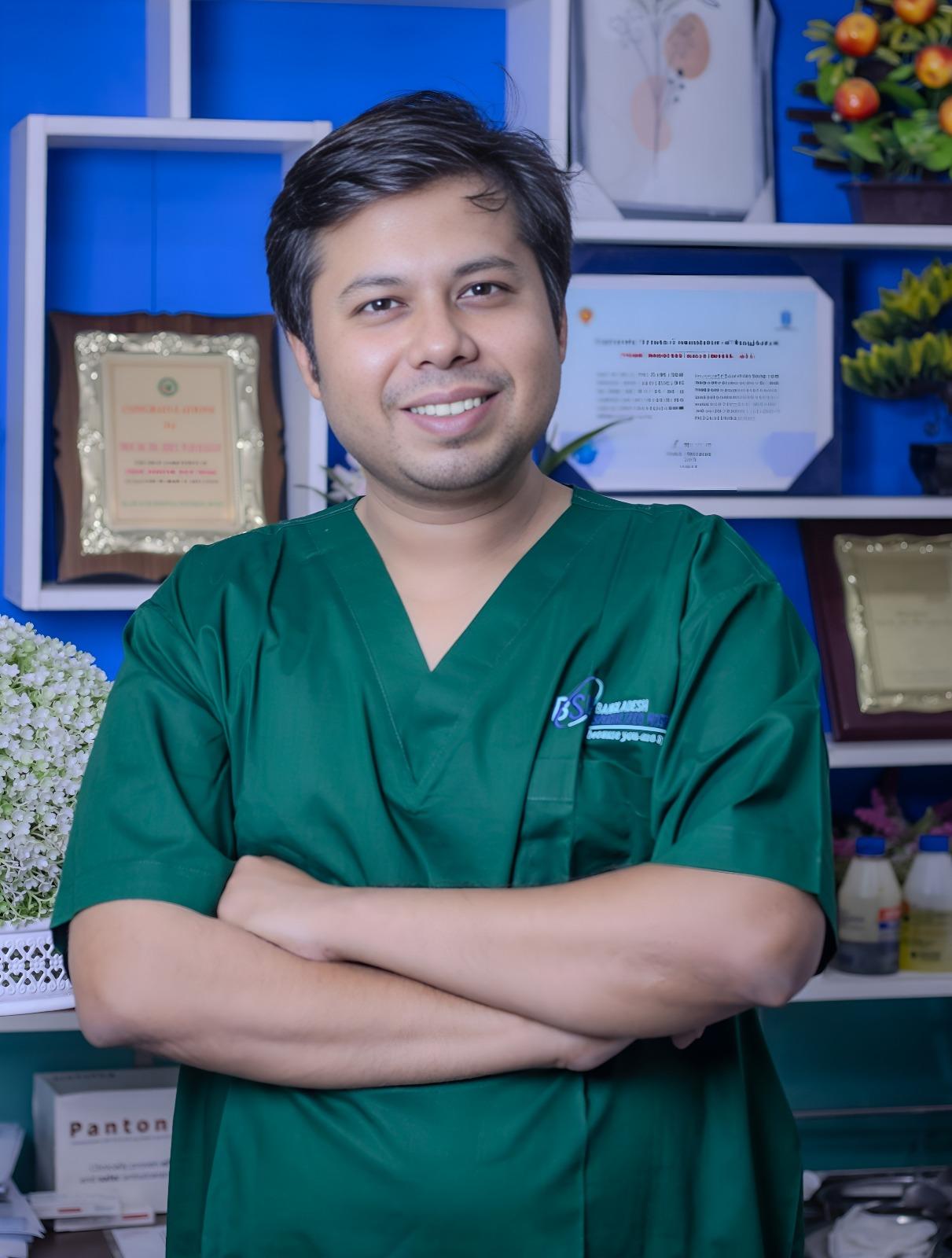
Assoc. Prof. Dr. Raisul Islam
MBBS, FCPS (Surgery), MS (Surgery) BSMMU
I am Associate Professor Dr. Raisul Islam, a highly skilled surgeon specializing in advanced general surgery, laparoscopic surgery, hernia surgery, breast surgery, laser surgery, and laser proctological and colorectal surgery. With over 10 years of experience, I have successfully performed numerous complex laparoscopic and laser colorectal procedures in recent years at SHIP International Hospital and Shaheed Monsur Ali Medical College Hospital, Uttara. Currently, I serve as an Associate Professor of Surgery at Shaheed Monsur Ali Medical College Hospital and as an evening Consultant Surgeon at SHIP International Hospital. Earlier in my career, I worked as an Assistant Professor of Surgery at Enam Medical College and International Medical College Hospital. I obtained my MS (General Surgery) degree from Bangabandhu Sheikh Mujib Medical University (formerly PG Hospital) in 2021. My passion lies in providing advanced surgical care using modern techniques to ensure the best possible outcomes for my patients.
General Surgeon / Surgery Specialist
More Blogs:
Trusted Health News and Wellness Updates
Dr. Mohammad Moniruzzaman
Open Heart Surgery in Bangladesh: Types, Causes, Costs, Hospitals & Doctors
Open heart surgery is a major operation, and many people in Bangladesh undergo it every year. Doctors usually recommend this surgery when the heart has a serious issue that medicines, lifestyle changes, or smaller procedures can no longer fix.
Dr. Mohammad Moniruzzaman
TOF Surgery in Bangladesh: Symptoms, Surgery Cost and Success Rate
Tetralogy of Fallot, also called TOF, is a heart problem that starts at birth. It affects how blood flows from the heart to the lungs. Many children in Bangladesh with this condition need surgery early in life. You may feel stressed when you hear about heart surgery, but clear information helps you stay steady. This guide walks you through TOF, treatment steps, surgery choices, cost, and care.
Dr. Mohammad Moniruzzaman
Heart Valve Replacement in Bangladesh – Symptoms, Types, Steps, Procedure, Cost and Best Hospitals
Heart valve problems can affect your daily life in many ways. You may feel tired, weak, or short of breath. Simple tasks can take more effort. Heart valve replacement gives you a safe way to fix this problem. Many hospitals in Bangladesh now offer strong care for this surgery. You can get good treatment without leaving the country.
Md. Abdus Sabur
Angiogram Cost in Bangladesh – Complete Information
An angiogram is a specialised diagnostic test used to examine the blood vessels of the heart, brain, or other parts of the body. It plays an important role in detecting blockages, narrowing, or abnormalities in arteries and veins. The need for angiograms has increased significantly due to the increasing number of heart disease and blood vessel problems in Bangladesh. Patients often search for the angiogram cost in Bangladesh to plan their treatment effectively. I have listed the cost of angiograms at the top hospitals in Bangladesh.
Md. Abdus Sabur
Heart Ring Price and Surgery Procedure Cost in Bangladesh
Heart block disease is a serious cardiac condition that can significantly affect blood circulation and overall heart function. One of the most effective treatment options for selected patients is heart ring (stent) surgery. In recent years, Bangladesh has made notable progress in cardiac surgery, making heart ring surgery more accessible and affordable for patients.
Md. Abdus Sabur
Bypass Surgery Cost in Bangladesh: Hospital and Duration of Stay
Bypass surgery is a major open-heart operation designed to bypass blocked or damaged coronary arteries. During the procedure, surgeons take healthy blood vessels from other parts of the body (often the leg or chest) and graft them onto the heart to reroute blood flow around blockages. This helps improve oxygen delivery to cardiac tissue and reduces risks of heart attacks, angina (chest pain), and other serious complications.
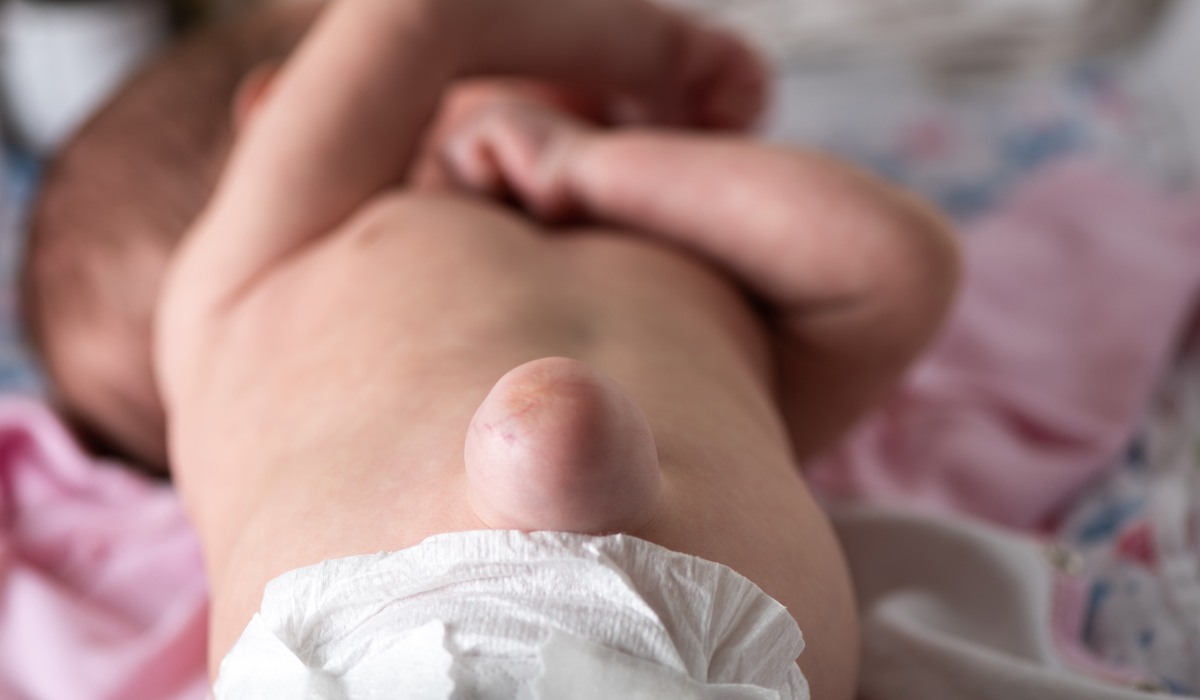
Assoc. Prof. Dr. Raisul Islam
Hernia and Hernia Surgery: All Information for Bangladeshi Patients
Hernia is a common but treatable condition in Bangladesh. With timely diagnosis and proper surgery, patients can lead a completely normal life. Ignoring hernia symptoms may lead to serious complications, so always consult a qualified surgeon if you suspect a hernia.
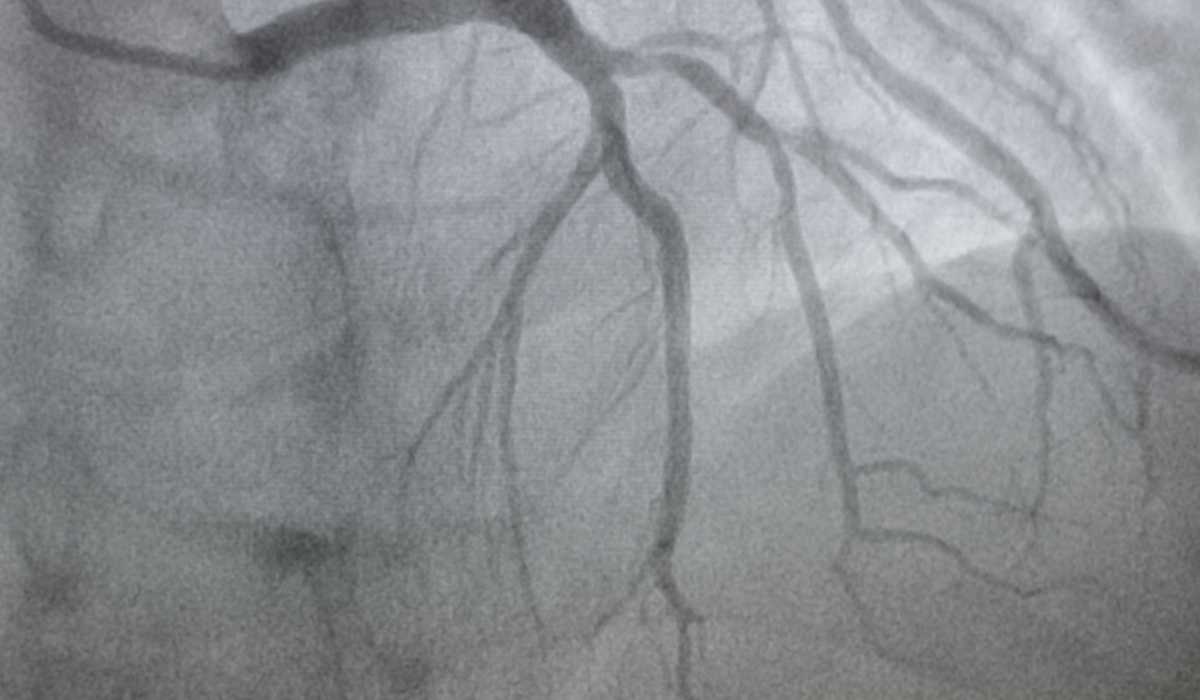
Dr. Mohammad Moniruzzaman
এনজিওগ্রাম কী? কেন করা হয়, পদ্ধতি, সময়, ঝুঁকি ও সতর্কতা
এনজিওগ্রাম একটি আধুনিক ও নির্ভুল মেডিকেল পরীক্ষা, যার মাধ্যমে হৃদপিণ্ডসহ শরীরের গুরুত্বপূর্ণ রক্তনালীগুলোর ভেতরের অবস্থা সরাসরি দেখা যায়। এই পরীক্ষায় বিশেষ কন্ট্রাস্ট ডাই ব্যবহার করে এক্স-রে প্রযুক্তির মাধ্যমে ধমনীর রক্তপ্রবাহ, ব্লক, সংকোচন বা অন্যান্য অস্বাভাবিকতা শনাক্ত করা হয়। হৃদযন্ত্রের ধমনীর ক্ষেত্রে একে করোনারি এনজিওগ্রাম বলা হয়, যা বুকে ব্যথা, হার্ট অ্যাটাকের ঝুঁকি, শ্বাসকষ্ট বা অস্বস্তির সঠিক কারণ নির্ণয়ে অত্যন্ত গুরুত্বপূর্ণ। এনজিওগ্রামের মাধ্যমে চিকিৎসক ব্লকের পরিমাণ ও অবস্থান নির্ধারণ করে পরবর্তী চিকিৎসা—ওষুধ, স্টেন্ট বা বাইপাস সার্জারি—নেওয়ার সিদ্ধান্ত নিতে পারেন। আধুনিক ক্যাথল্যাব ও অভিজ্ঞ কার্ডিওলজিস্টের তত্ত্বাবধানে এই পরীক্ষা নিরাপদ, দ্রুত এবং জীবনরক্ষাকারী ভূমিকা পালন করে।
Dr. Mohammad Moniruzzaman
Open Heart Surgery in Bangladesh: Causes, Cost, Best Hospitals, and Recovery Guide
Open heart surgery in Bangladesh is a common treatment for serious heart conditions such as blocked arteries, valve problems, and congenital defects. It is performed at leading hospitals like NICVD, National Heart Foundation, Ibrahim Cardiac, and several private hospitals with experienced cardiac surgeons. The cost is comparatively lower than many other countries, making Bangladesh a reliable option for patients seeking quality heart surgery and post-operative care.
Md. Abdus Sabur
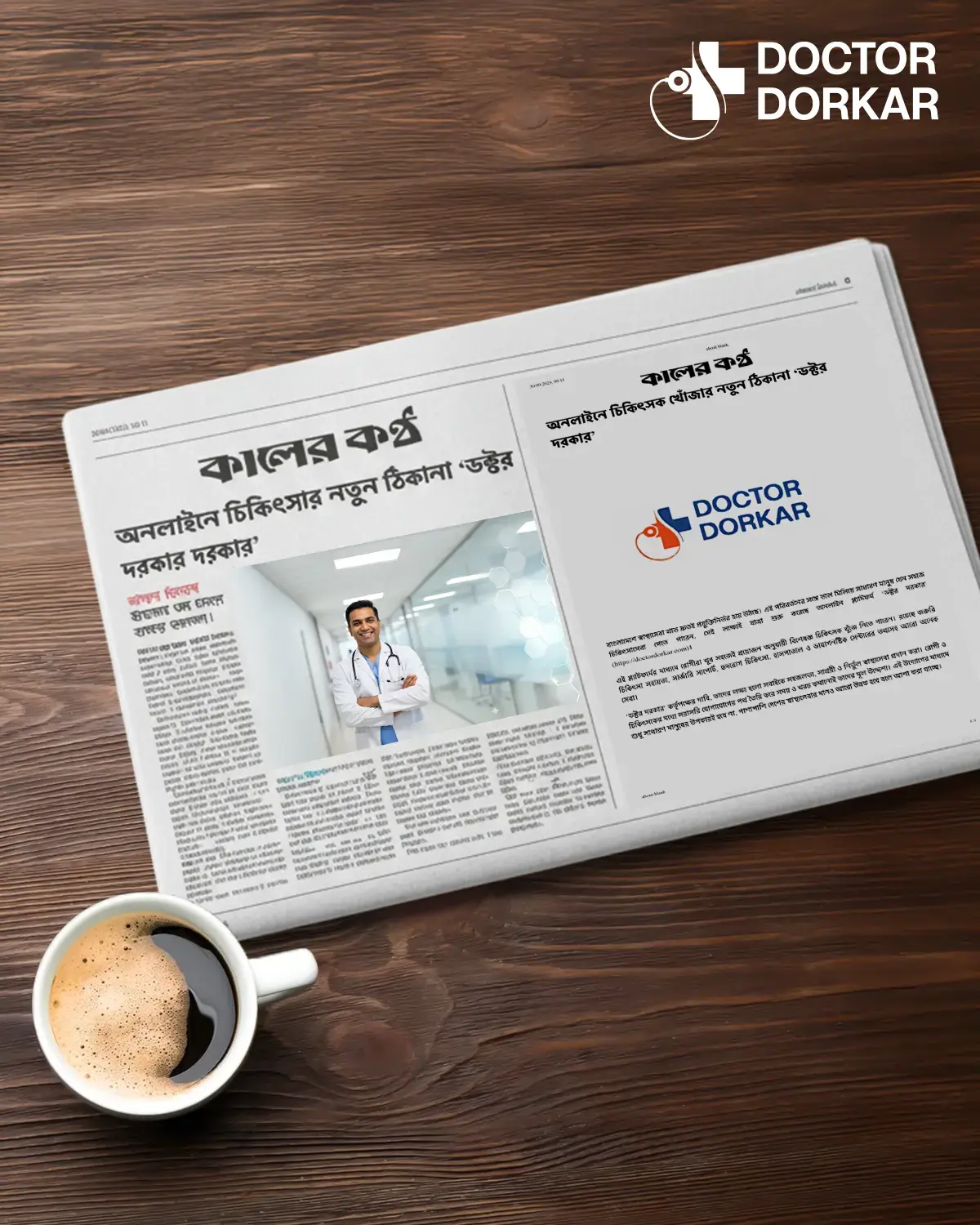
কালের কণ্ঠে প্রকাশিত হলো Doctor Dorkar
বাংলাদেশে স্বাস্থ্যসেবার মানোন্নয়ন এবং প্রযুক্তি নির্ভর সেবা সহজলভ্য করার লক্ষ্য নিয়ে যাত্রা শুরু করেছে Doctor Dorkar। এই পথচলার একটি বড় স্বীকৃতি হিসেবে সম্প্রতি দেশের শীর্ষস্থানীয় দৈনিক কালের কণ্ঠ পত্রিকায় Doctor Dorkar নিয়ে একটি বিশেষ প্রতিবেদন প্রকাশিত হয়েছে।
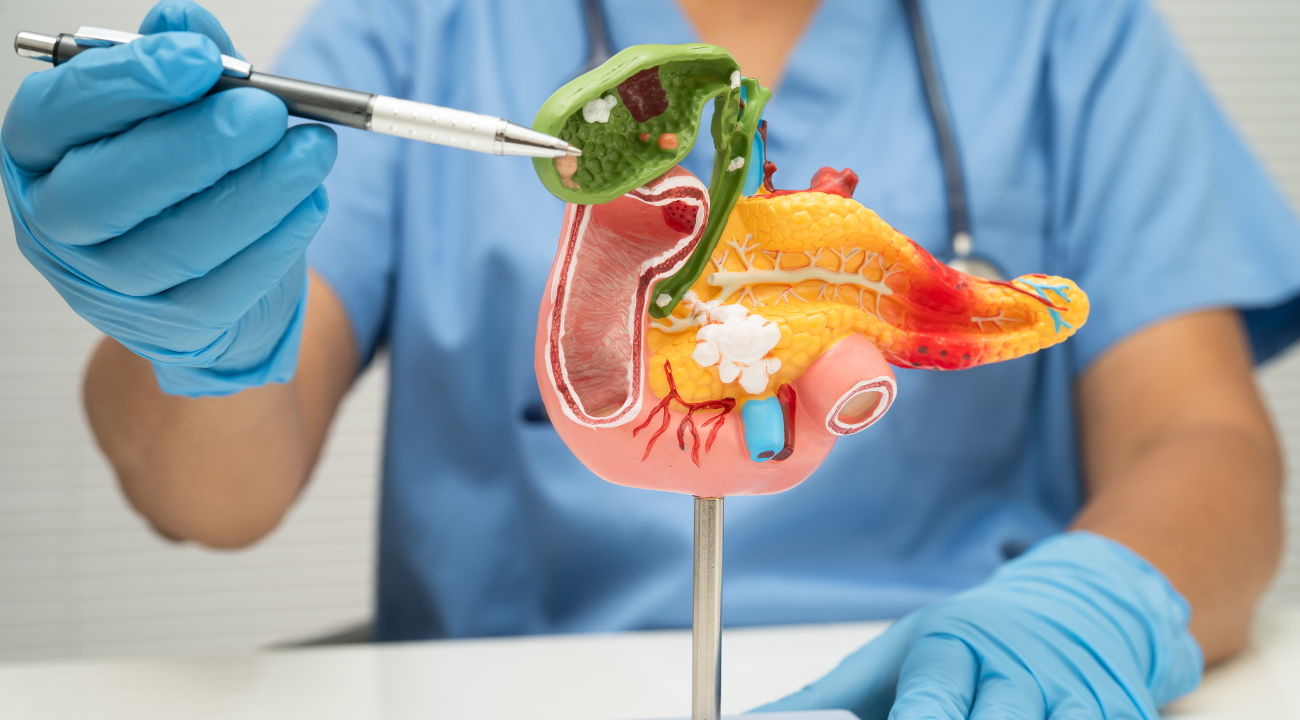
Assoc. Prof. Dr. Raisul Islam
Gallbladder Stone Operation: A Complete Guide to Surgery, Cost, Tests, and Alternatives
Gallbladder stones, also known as gallstones, are a common medical condition that can cause significant discomfort and complications if left untreated. When symptoms become severe or complications arise, a gallbladder stone operation—medically known as cholecystectomy—becomes the most effective treatment.
Md. Abdus Sabur
Health Checkup Test Items Name, Package Details and Package Cost
A Health Checkup helps you find out if you have a particular disease or condition. Sometimes, individuals may not show any signs of symptoms or disease. Health Checkup, followed by treatment and control of the condition can result in a good outcome and lowers the risk of having serious diseases.
Md. Abdus Sabur
ICU Hospital in Dhaka: Best ICU Services, Facilities & Cost Guide 2026
An Intensive Care Unit (ICU) is a highly specialized section of a hospital designed for patients with severe or life-threatening illnesses or injuries. These units are staffed with trained intensivists, nurses, and technicians who provide round-the-clock care.
Md. Abdus Sabur
The Best Surgery Doctors in Uttara – Expert Surgeons You Can Trust
Finding the best surgery doctor in Uttara can feel overwhelming, especially when someone needs skilled, dependable, and experienced hands for a critical procedure. Uttara, one of Dhaka’s fastest-growing healthcare hubs, is home to many highly qualified surgeons with decades of clinical expertise, advanced training, and strong reputations in their respective fields.
Md. Abdus Sabur
Expert Laparoscopic Surgeon in Uttara: Advanced Minimally Invasive Surgical Care
Uttara has emerged as one of Dhaka’s most well-planned and rapidly developing residential areas, with modern healthcare facilities growing alongside it. Among the most sought-after medical services in this region is minimally invasive surgery, particularly laparoscopic procedures. Choosing a qualified laparoscopic surgeon in Uttara is an important decision for patients seeking safe, effective, and faster recovery-focused surgical treatment.
Md. Abdus Sabur
Best Colorectal Surgeon in Uttara – A Comprehensive Guide for Patients
When it comes to colorectal health, finding an experienced and reliable surgeon is paramount. Residents of Uttara, one of Dhaka’s largest and most dynamic neighborhoods, often seek local specialists for conditions like piles (hemorrhoids), fistulas, anal fissures, colorectal cancer, and other colorectal disorders.
Assoc. Prof. Dr. Raisul Islam
PLID Treatment Options in Bangladesh: What Patients Need to Know
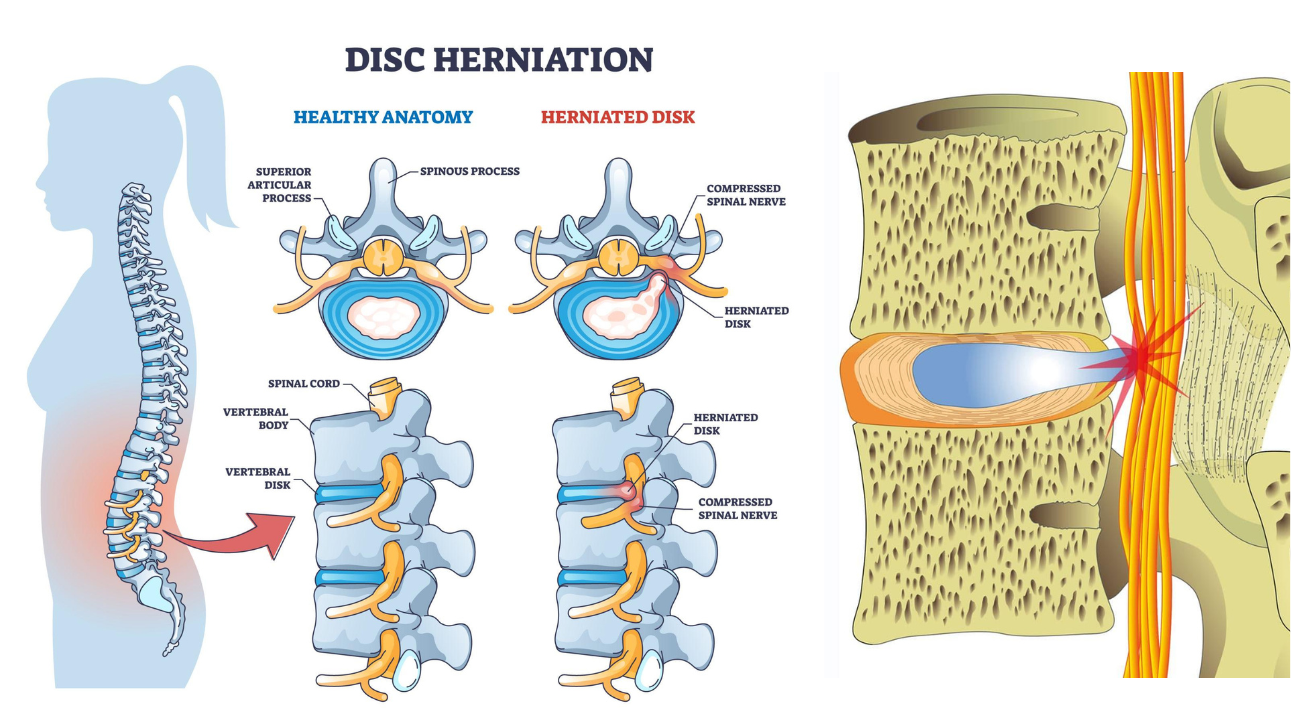
PLID (Prolapsed Lumbar Intervertebral Disc) is a common spinal condition where a disc in the lower back slips or ruptures, causing pressure on nearby nerves. It often leads to back pain, sciatica, numbness, and weakness in the legs. Treatment in Bangladesh includes physiotherapy, medication, and advanced surgical options, depending on severity. With early diagnosis and proper care, most patients recover successfully and return to normal life.
Md. Abdus Sabur
The Best Cardiac Surgeons in Bangladesh - Verified Heart Specialists
A cardiac surgeon is a highly trained medical professional who specializes in performing surgeries related to the heart and major blood vessels. These surgeries are often complex and require years of education, training, and hands-on experience.

Md. Abdus Sabur
The Best Neurologists in Dhaka for Expert Neurology Treatment
Dhaka has many experienced neurology specialists with national and international training. Below are some of the most recognized neurologists based on qualifications, experience, and hospital affiliations.
Md. Abdus Sabur
Best Gynecologists in Dhaka | Gynecology & Obstetrics Specialist List
Women’s health requires specialized medical care at every stage of life. From menstrual problems and pregnancy care to infertility, high-risk pregnancy, gynecological cancer, and reproductive health concerns, choosing an experienced gynecologist is important for proper diagnosis and treatment.
Md. Abdus Sabur
The Best Medicine Doctors in Mirpur Dhaka for Quality Healthcare
When searching for a trusted medicine doctor in Mirpur Dhaka, choosing a qualified and experienced physician is essential for accurate diagnosis, effective treatment, and long-term health management.
Md. Abdus Sabur
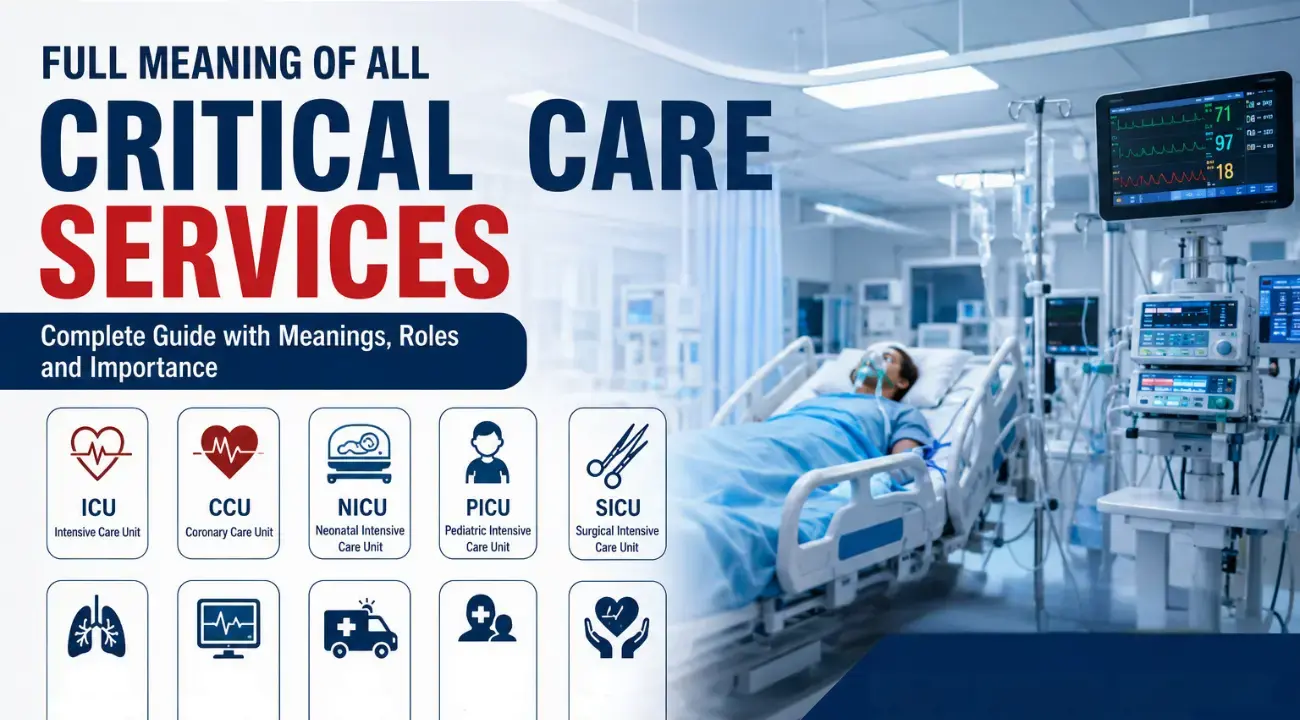
Full Meaning of All Critical Care Services in Hospitals
When a patient faces a serious illness or emergency condition, critical care services become extremely important. Many people hear terms like ICU, NICU, CCU, HDU, and SICU but do not fully understand what these medical departments actually mean. In this guide, we explain the full meaning of all major critical care services, their functions, and when patients may need them.
Share Your Feedback
Share your thoughts and feedback with our community
No comments yet
Be the first to share your thoughts!